
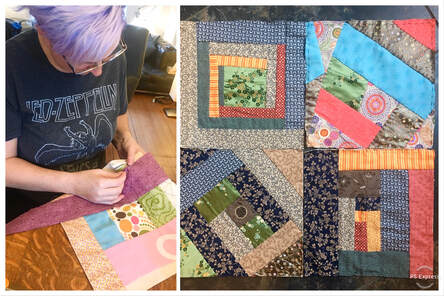
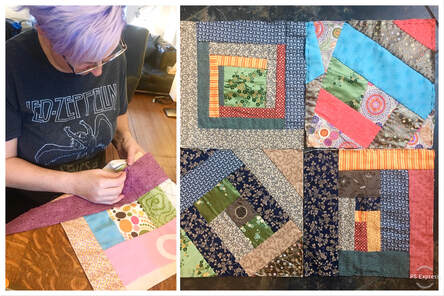
 Vancouver artist Jenn Skillen — collaborator No. 1 — beta-tests a freeform, no-measure hand-stitched log cabin block method. (Carlyn Yandle photo)
I start with a few rules of thumb. (I love that phrase for its controversial origin that is a deep-dive into human history and etymology, but also for the visual of the hand-as-tool.) First, the activity must be low-barrier enough to open it up to as much collaboration as possible — no need for special skills or equipment or fees or even shared verbal language. Second, the project must use only found material: freely available, with no better use (because there’s already too much stuff in the world). Third, the project must spark interest, otherwise, why would people bother?
A decade ago, these rules of thumb resulted in The Network, an ever-growing public fibre-art piece engaging a wide variety of folks around Vancouver, co-created by Debbie Westergaard Tuepah. That knotty piece continues to weave through my work, mummifying a perfectly good painting practice, winding around ideas of alternative space-making, shelter, and safety nets. Now it’s needling into my current project: the Safe Supply collaborative quilt.
‘Safe supply’ were the two words on the lips of the crowd at a CBC Town Hall gathering two months ago. Providing a safe supply of opioids would go a long way to addressing all the problems and fears raised by everyone from student activists to local businesses, from concerned politicians and developers to Indigenous elders: the toxic-drug death epidemic, violence, homelessness, sexual exploitation, theft, vandalism, mental illness. A safe supply is inherent in the view of addiction as a public health issue, not an individual, moral failing.
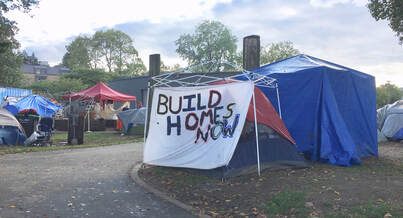 ‘Kettling’ homeless people into Oppenheimer Park has resulted in a colourful display of a national humanitarian crisis. (Carlyn Yandle photo)
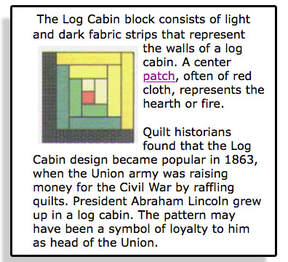 Historical clipping from the llinois State Museum website reveals the log cabin quilt has ties to ending slavery.
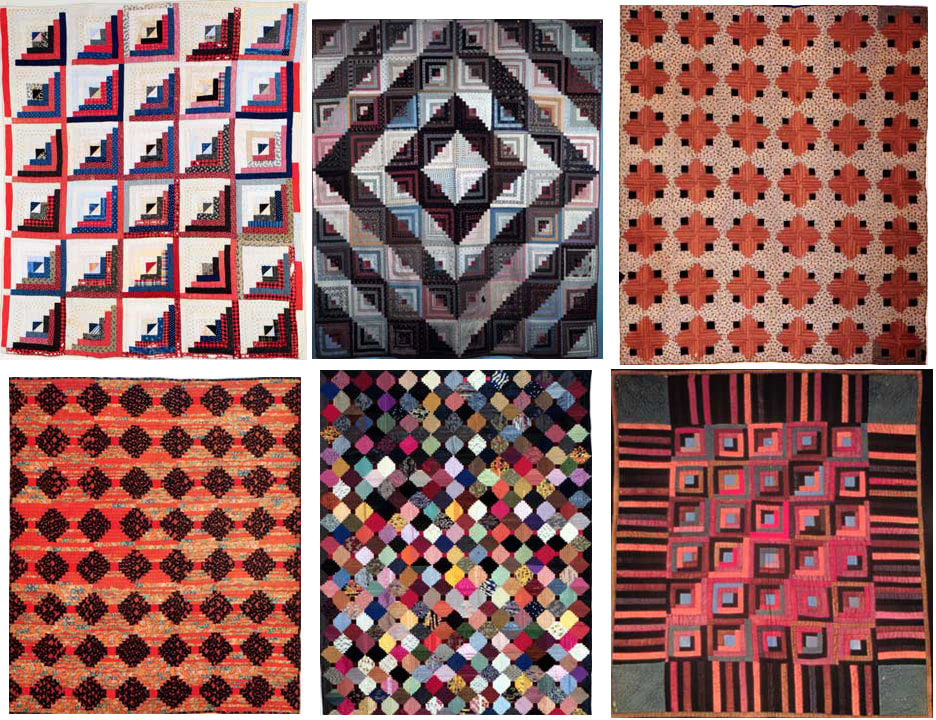
There’s a long history of the log cabin block, ingenious for its simple construction that makes use of even the smallest, thinnest available scraps as well as its history as a vehicle for social justice.
I am attracted to the name that stands as aspiration for home and all that that entails, beginning with the hearth, the centre of the block. From the hearth, the block is built in a spiral of connected scraps to form a foundation for countless quilt designs (traditional examples below).
The work has not yet begun but like all collaborations it begins with faith in people and trust in my practice. Something will emerge. We will engage. We will generate some heat in this log-cabin community.


Recent Comments