Masks keep our germs to ourselves but I don’t have to like them
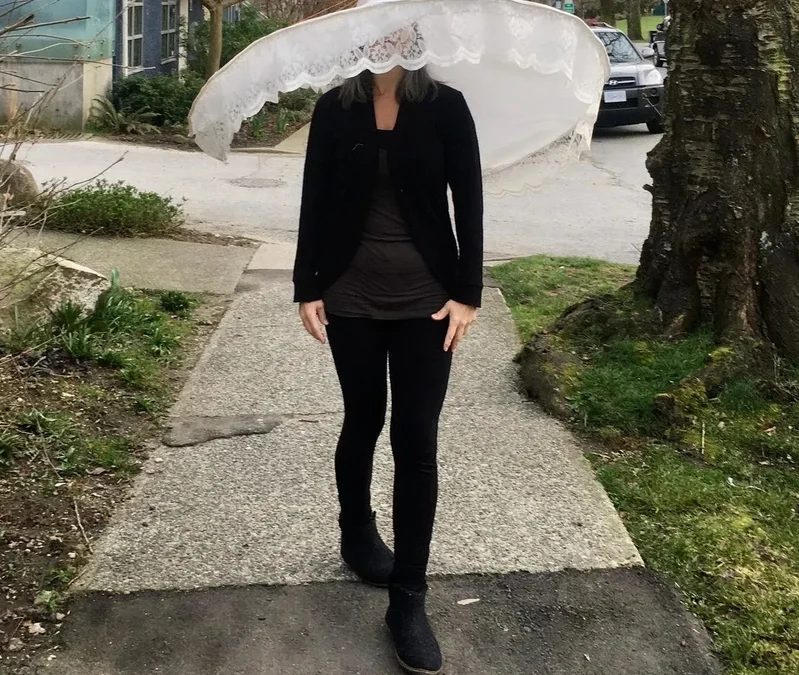
People! Am I going to have to bring out my Social Distancing Hat again? Everyone I know is either in the grips of one plague or another or sharing stories about a friend with Long Covid or flu or RSV. And that friend is possibly me (cough cough).
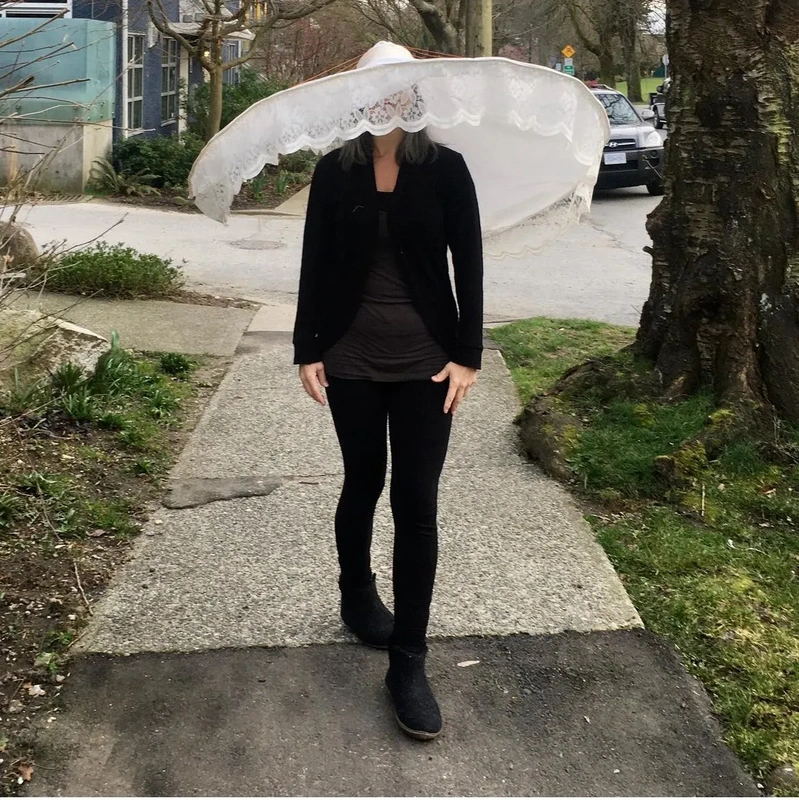
Social Distancing Hat, March 2020
I’m just kidding about the hat; we Westcoast Canadians have umbrellas for that, at least for a solid seven months out of the year (and we wonder why we’re considered a reserved lot). I trashed the hat shortly after parading around in it for a little levity during Lockdown 2020. In retrospect, ridding myself of the wide-brimmed artwork was overly aspirational. I was obviously oblivious to the power of airborne illnesses to return like that damn leak in my studio every time it rains.
The joke’s on me these days. Embracing more social-distancing practices could have saved me from the cold/flu thing that hit Labour Day weekend and settled into my bottom right lung as pneumonia by month’s end. I did take general precautions: stayed home or sequestered in my leaky studio when I was feeling poorly; bowed out from gatherings and even coffee-shop meetings; took four of the reliable at-home COVID-19 tests over the course of this cough, even doing the whole thorough gaggy throat-scrape method. When they came out negative, I went back out into the world. I was sick of the social isolation.
I was so ready to re-gather with friends that I willed myself to not notice that all the women pushing the dim-sum carts were in masks, even as I barrelled past them to go outside for a coughing fit. I did take advantage of courtesy hand-sanitizer pump bottles at the entrance of shops and public buildings but I did not, would not see the masked-up cashiers, receptionists, servers, tellers and baristas as a sign that I should be following suit.
For the record, I was an early mask-adopter even before the spring of 2020. I saw more foreign-exchange students at art school masking up as early as January, and by the end of February, many weren’t coming into class at all. Seeing people in masks was normal to me since my 20s when I lived in Japan, where several commuters in any given train car were masked up, even little kids. When I moved back to Vancouver I lived near Chinatown where masks on faces are commonplace. So by the time the mask mandatehit I was already on it.
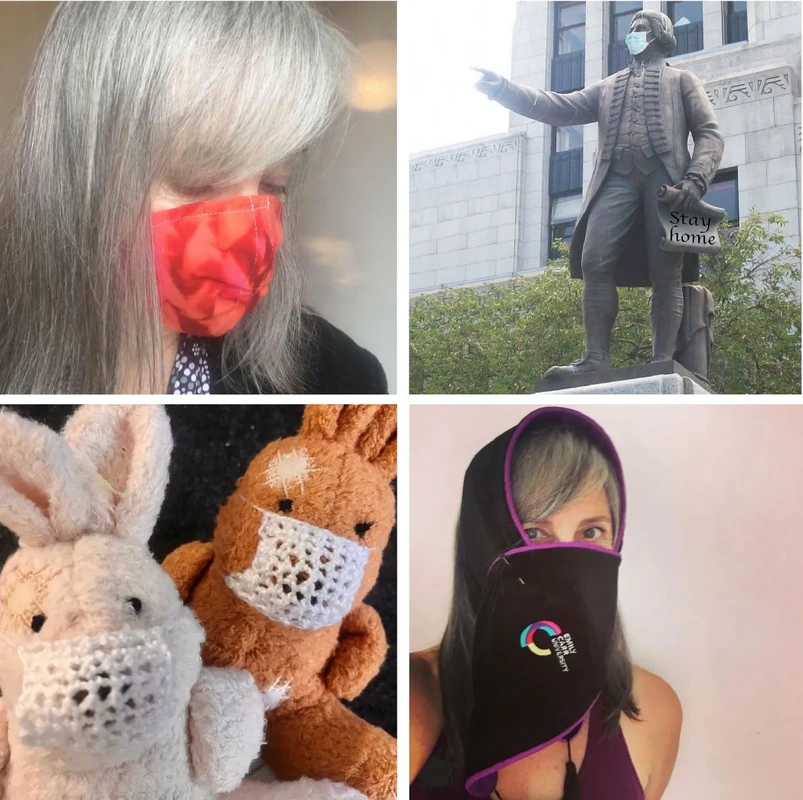
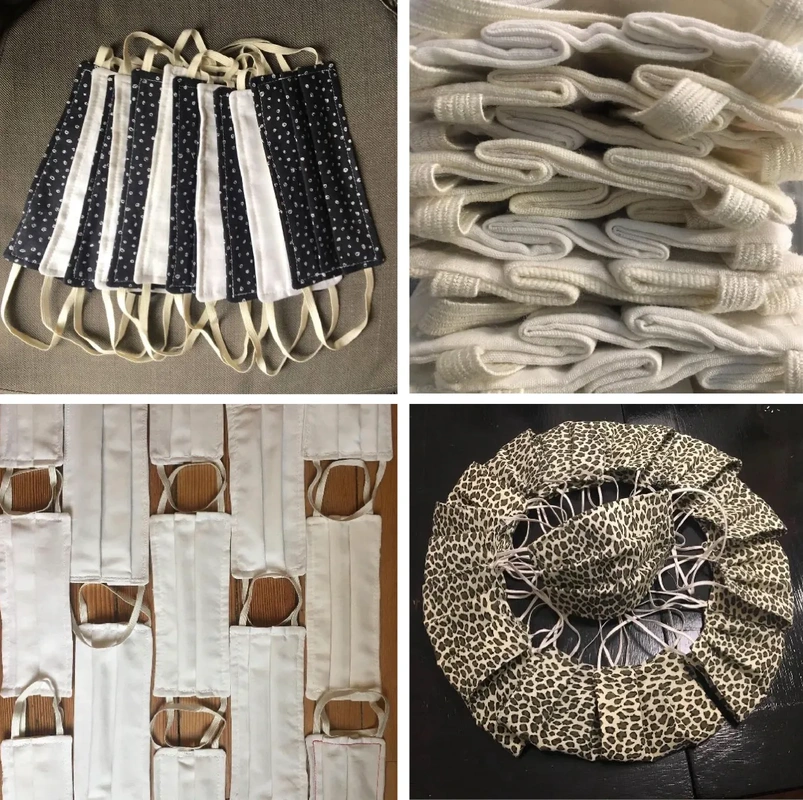
Pandemic-era Instagram posts (clockwise from top left): Early mask prototype; Photoshop’d Captain Vancouver statue; the best use of the MFA Class of 2020 graduation regalia; tiny crocheted masks for store-bought bunnies, Easter 2020 gifts.
In those first few eerie weeks of lockdown, when many people were wondering if it was safe to venture out of doors at all, I was part of a growing army of makers sewing up three-layer cotton masks, refining my design as I went and sharing the method online and materials in a system of drop-offs and pick-ups. I’ve made dozens on dozens of masks when the scant supply was reserved for frontline workers. I only quit when stockpiles showed up in Dollarama.
Instagram posts of some of many masks made for the masses in 2020
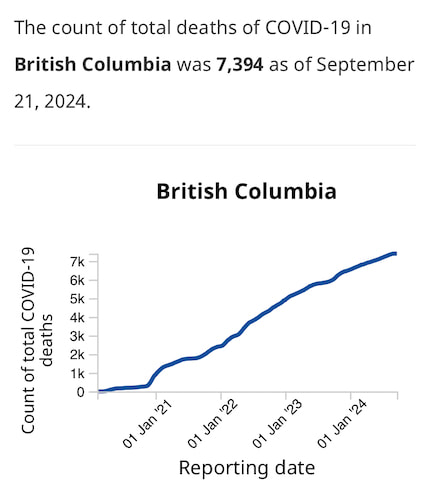
I don’t like thinking about those dark times, nor the long-term effects of that era of social isolation on ourselves, our kids, our community, our economy, our society. (Even as I write, my father, in long-term care, is being isolated for COVID-19 and he doesn’t understand why.) And I don’t want to consider the import of this:
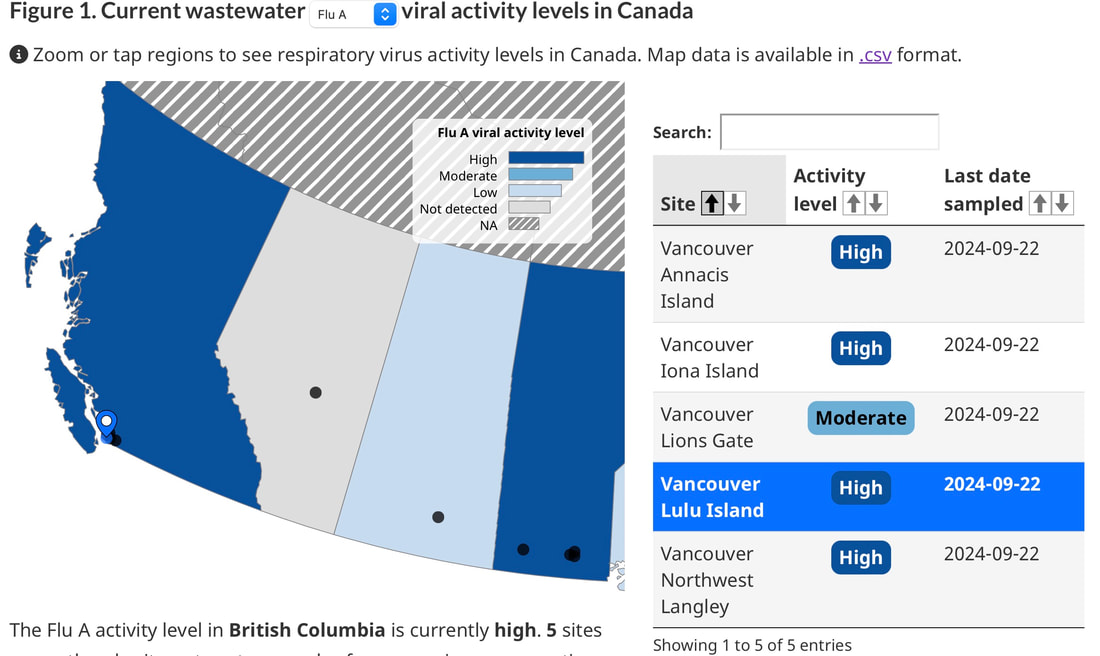
Or this:
My knee-jerk reaction is to just move on from the whole masking-up rigmarole even as we’re all getting ready to hunker down indoors for the winter. Is that my privilege talking? Or is it growing up at a time and place when runny-nosed kids were just a fact of life? What’s it going to take for folks like me to adapt to masks as the norm in elevators, on buses, in Costco, at the dentist waiting room or the coffee shop lineup, even when feeling well?
Masking up is practical and courteous but I loathe the loss of any more social connectivity, including our unique ability to absorb facial micro-expressions that convey deeper communication — that one advantage humans have over AI and our future robot overlords (for now).
Recent Comments