Nothing against the design visionary of Zaha Hadid but all this global starchitecture looks like rich people’s toys in the wake of disasters like Typhoon Haiyan.
This is no time for designers to try to outshine one another with glittery sculptural-building displays of unimaginable wealth, at any monetary and environmental cost. The real innovators are looking at the pure essence of architecture: creating structures that enhance our lives with a low-carbon footprint.
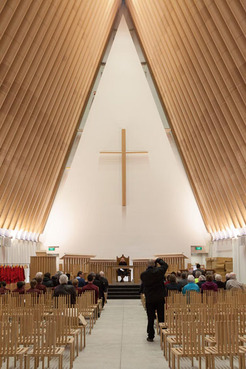
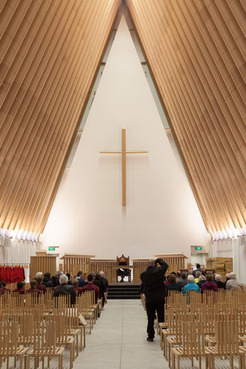
It’s seen in the transitional cardboard cathedral in Christchurch, New Zealand, providing a spiritual focal point following the February 2011quake that destroyed the city’s most revered piece of architecture. And it’s just one example of Japanese architect Shigeru Ban’s commitment to the craft. (Watch Ban’s Ted Talk, at bottom.)
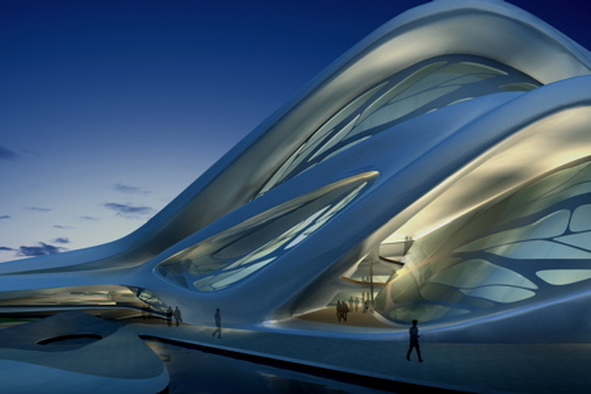
In these times of wild, climate-change-induced (un)natural disasters, the truly important cutting-edge architecture does not appear as large-scale steel-polymer edifices with conceptual references to nature, the likes of which is taking shape in the form of Hadid’s $27 billion
performing arts centre in Abu Dhabi.
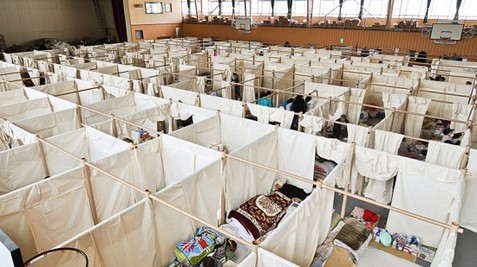
These times call for humane systems that are actually connected to the natural ecosystem, such as Ban’s network of
emergency shelters set up in a school gym after the devastating tsunami in eastern Japan in 2011.
More than natural in concept, the materials are tubes made of recycled, locally available material that are easily cycled back into the ecosystem.
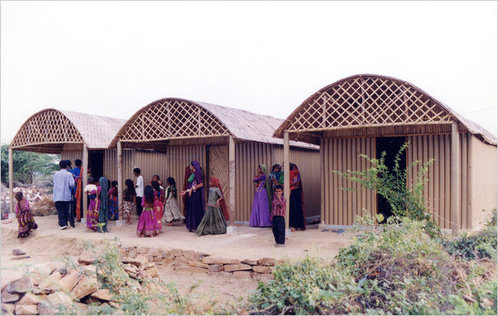
They are light enough for anyone to use to construct without the aid of heavy machinery and simple enough to be re-used according to need, from temporary beds to longer-term shelters for displaced people, to these
cardboard cottages in India.
It’s architecture that can react fast to calamity, restore self-respect, contribute to a humanitarian effort through design.

Recent Comments